
The university building where I studied was a textbook example of brutalist concrete architecture: quite ugly, quite dark, terribly cold.
In the side corridors of the central lecture hall building, there were at least a few radiators, which became a welcome refuge for many on winter days. The originally white-painted metal surfaces of the radiators were accordingly covered in stickers and scribbles. Someone had felt compelled to write a quote from Ellen Johnson Sirleaf right there in blue felt-tip pen: "If your dreams don't scare you, they're not big enough."
I don't know why this particular sentence appeared, and I also don't know if anyone else besides me ever noticed it while seeking a little distraction from the cold, exam stress, and the rest of university life outside the entrance to Lecture Hall 7. An unexpected thought-provoking moment, a small reminder to briefly consider what motivates us and whether we might be downplaying its dimensions out of convenience.
I never saw university as the place where I would realize my dreams. At times, afternoon lectures were more of a convenient opportunity for a quick power nap after a workout, especially if lunch had been particularly substantial. But even my physical presence, regardless of my level of alertness, was, to put it optimistically, limited. I was interested, but not willing to dedicate myself to poring over countless texts and academic literature, giving presentations, and writing exams.
 In the flow | Photo: Marcel Hilger
After finishing my university studies, I quickly realized that my willingness to take on significantly more demanding and time-consuming challenges than those posed by German and sports studies was much greater in other areas. This was absolutely necessary, as I had just switched from running to triathlon: I was suddenly hit with the full force of the fact that the new sport was far from being as simple and straightforward as the old one. Neither in training nor in competition. I struggled with organization and time management, was completely overwhelmed—and the absurd thing was: I was having the time of my life. Because I suddenly realized that I was getting closer to a dream that, until very recently, had been nothing more than a ridiculous pipe dream I had planted in my head years ago.
I was still in the youth category in track and field when a good friend and training partner was preparing for Challenge Roth. For me, this race became synonymous with "triathlon." I experienced her preparation firsthand and was constantly amazed by everything involved and the dedication required to master this challenge.
Sometimes something strange happens to me in situations where people are doing something I deeply admire: a voice inside me spurs me on, urging me to emulate them. But this voice doesn't say, "That looks like fun, give it a try," but rather, much more confidently and without any doubt, "That looks like fun, you can do that too!"
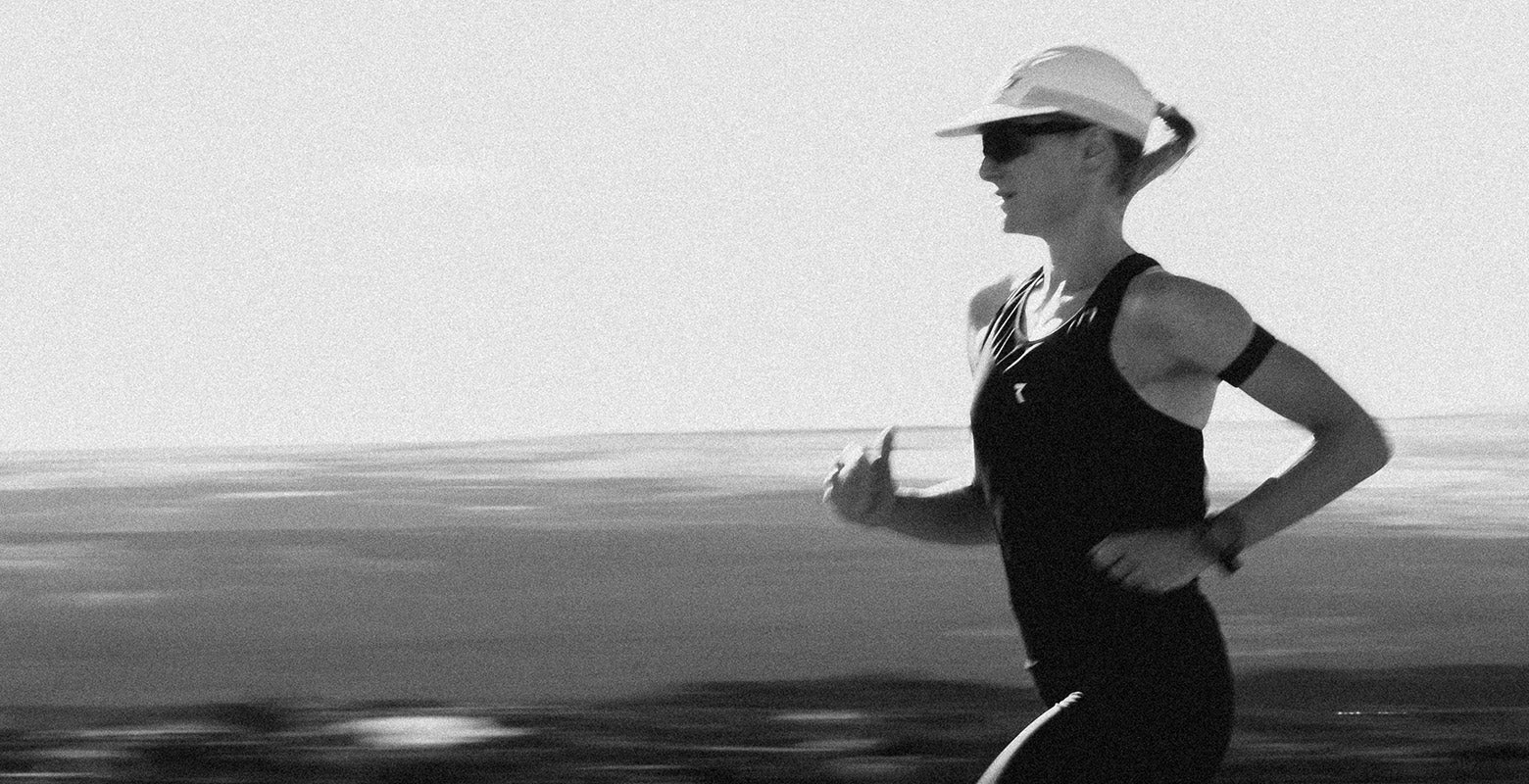 The uncertainty of the first long-distance race is palpable | Photo: Marcel Hilger
It's disastrous to think that way, and admittedly, quite audacious. But regardless of the fact that a long-distance triathlon was more than just an unrealistic pipe dream at the time, my training partner inspired me to want to do it too, from the moment she successfully completed her Ironman. It was precisely this kind of dream that scares you, because you don't know where your brain gets the audacity to make you think such a thing. But it's also this kind of dream that motivates you in tough times.
I had a similar phase midway through this season: I'd had solid winter training and completed the first test races with decent results. Now I was preparing for the first highlight of the season, a race in France. Everything was looking great; I felt fit and strong. Then race day arrived, and that good feeling vanished completely: My swim was poor, my cycling worse, and my run a total disaster.
Of course, everyone knows those days when you feel miserable because there's a reason for it – a minor injury, an illness that hasn't fully healed, too much other stress in the run-up to the race. It happens.
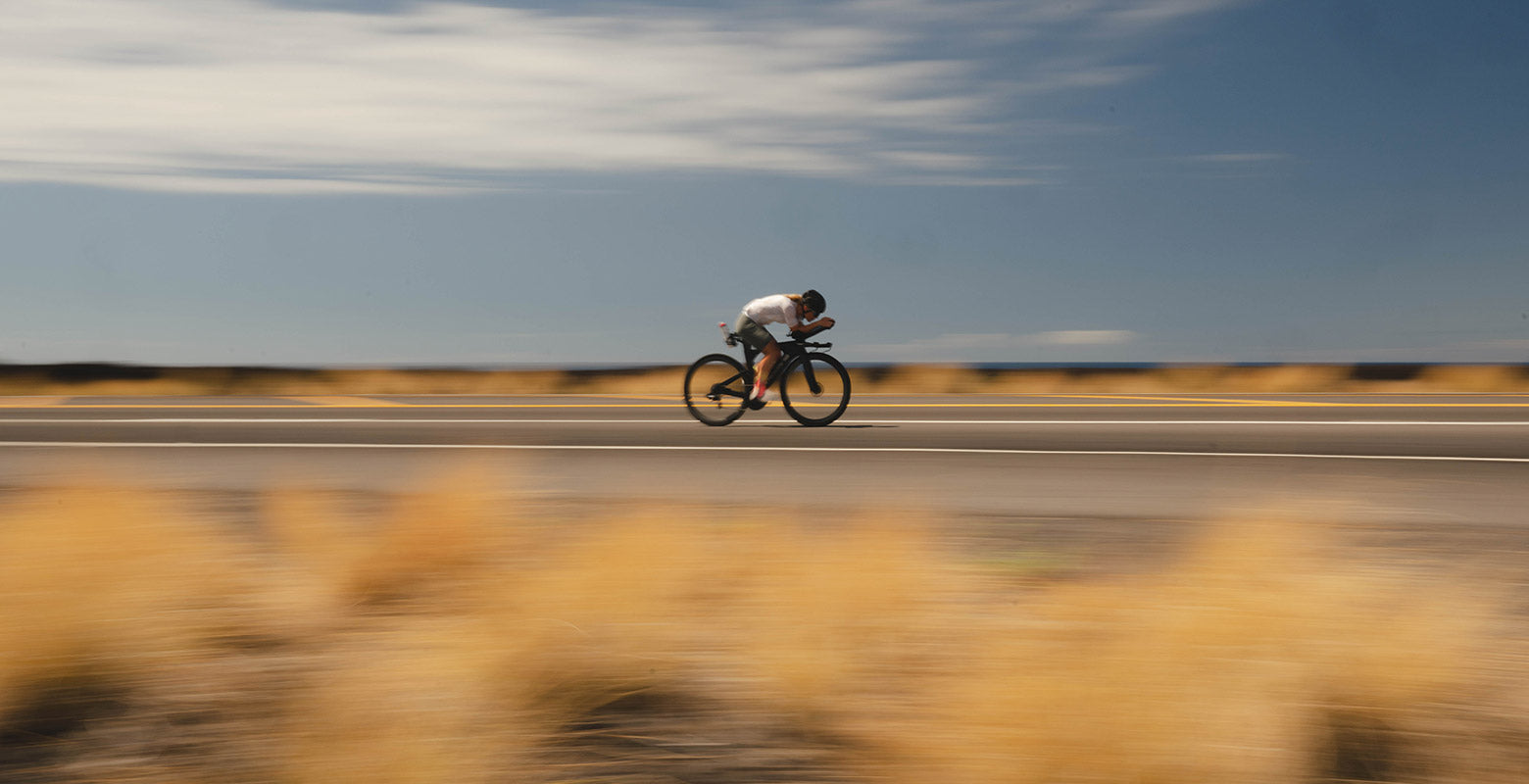
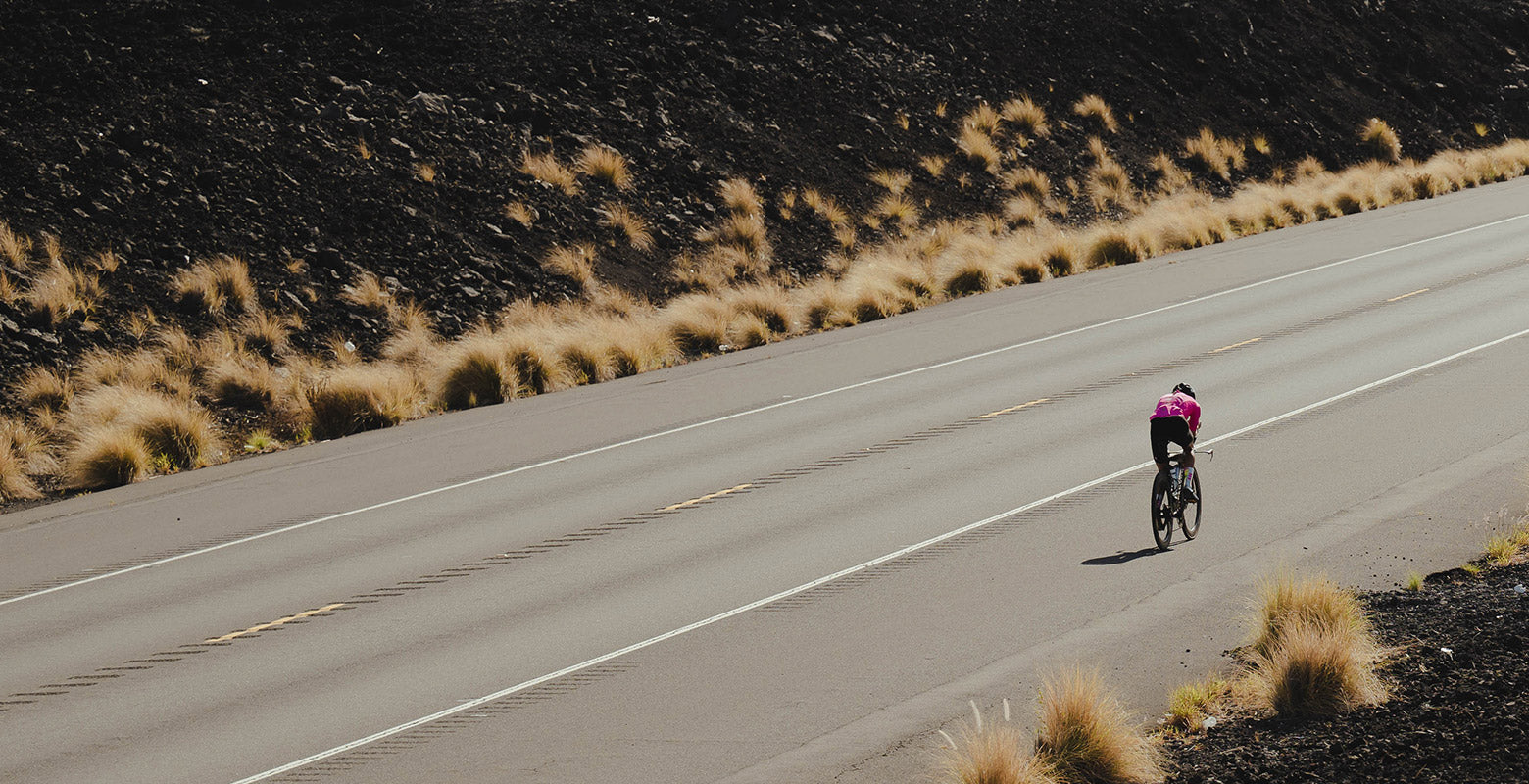 Every triathlete's dream: The Queen K Highway | Photo: Marcel Hilger
However, none of that was the case. My boyfriend, my family, my coach – everyone had sacrificed time and effort to support me in the best way possible. I felt guilty in an awful way. On race day, it had been extremely rainy and cold; how cowardly to justify my poor performance simply by saying the external conditions weren't ideal. I was sad, disappointed, and above all, frustrated, and suddenly I questioned everything. This whole triathlon thing that had consumed me so completely – where was it all leading?
I was very hard on myself. The night I drove the long distance back to Germany from my race in France was my birthday, and I kept asking myself only one question: Was triathlon really what I wanted if I was so disappointed and unhappy after a bad race, which is just as much a part of the sport as a good one?
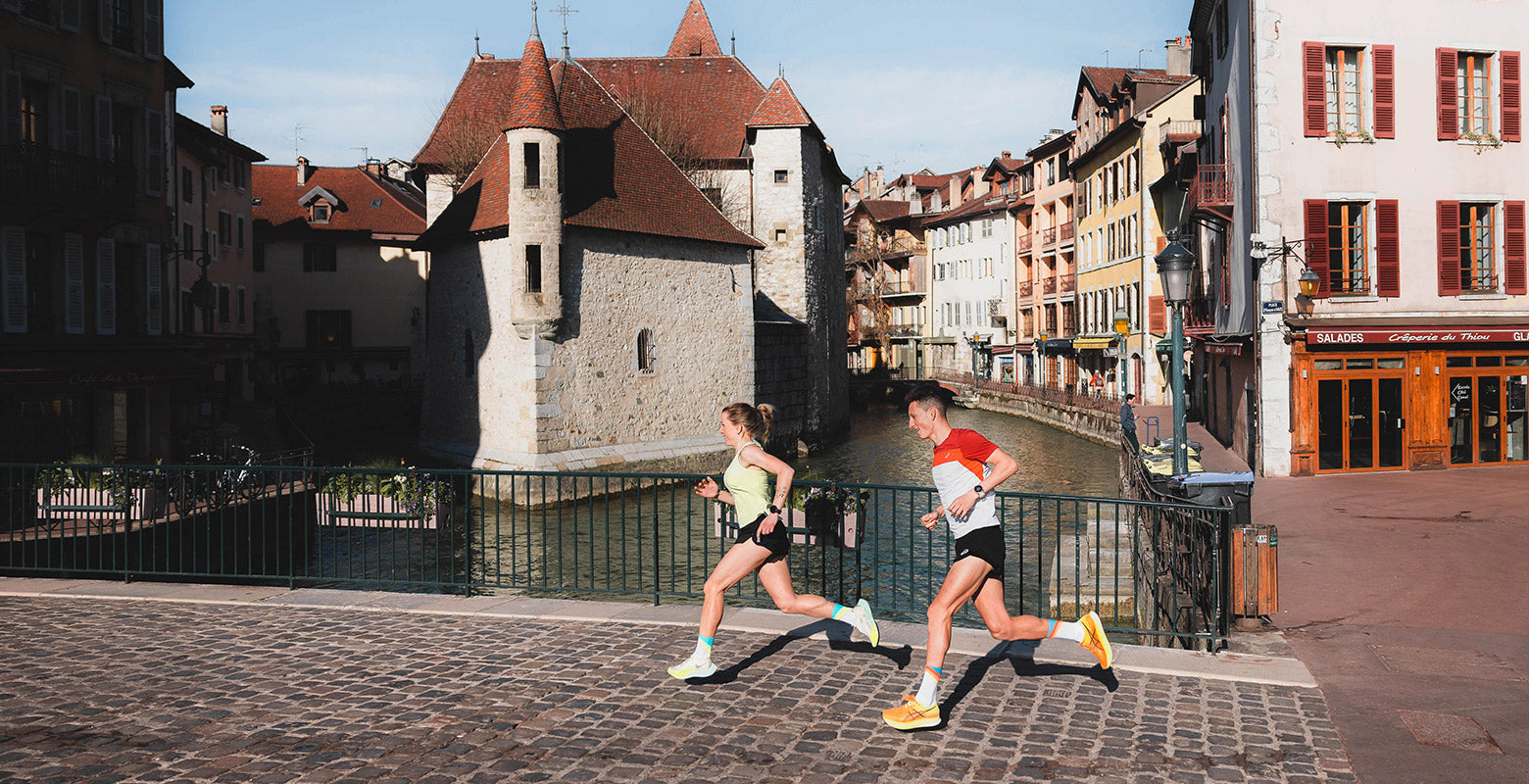 Let go and have fun | Photo: Justin Galant
No question: My motivation to do this sport was unbroken. But I suddenly realized that it had always been linked to finishing a long-distance triathlon. That was what it was all about for me – from the very beginning.
Because this goal had always been on the horizon for me, even before I'd ever considered changing sports. Ever since my former training partner completed Challenge Roth. And only out of self-protection, and yes, fear, had I kept this plan in the back of my mind, to bring it out again when the "perfect" moment arrived.
But when is anything truly "perfect"? I can think of dozens of songs, some better than others, that deal with how often we wait for the right moment and thereby let countless opportunities in life slip by. So it doesn't seem to be an isolated problem.
I think we've all been in that situation at some point, unable to immediately do what we really want. Why? Because fear holds us back. The fear of falling flat on our faces. Of failing. Of embarrassing ourselves.
"If your dreams don't scare you, they aren't big enough."
There it was again, that sentence about waiting on cold winter days outside lecture hall 7, which always reminded me: We need this fear and respect for our greatest goals. Then we can also view them with the right amount of humility. But we also have to tackle them to achieve what we dream of. We have to be courageous.
As I drove home that night, deep in thought, after my disastrous race, a crazy scenario suddenly popped into my head: What if I…?
Admittedly, it was a very expensive brooding exercise; at least I managed to get a speeding ticket in Switzerland. Of all places. But perhaps the best proof that I was on an idea that wouldn't let me go from that moment on.
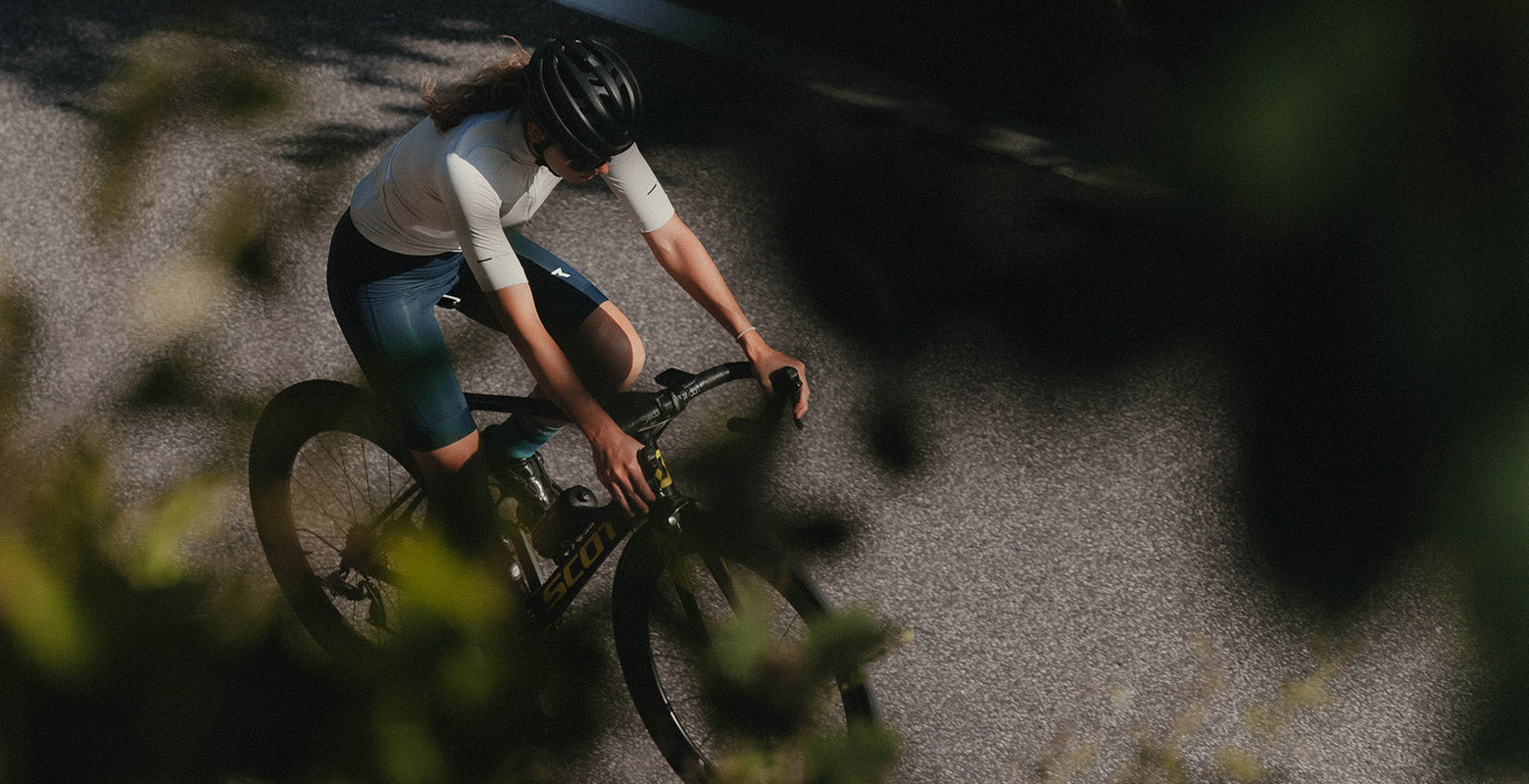 Solitary training sessions: birthplace of many ideas and dreams | Photo: Marcel Hilger
I decided to share my story with the people I trusted. I expected to be laughed at or not taken seriously. Instead, I sensed that everyone realized how important it was to me. Consequently, I was earnestly asked to be careful and considerate. On the sound advice of my coach, we remained humble in our training plan until the very end: A season from April to September demands physical and mental strength – and sometimes perhaps too much of both – to then tackle the long-distance challenge. Until the beginning of September, it wasn't certain whether I would actually take on the challenge this year.
Recovered from my last, thankfully very successful race, I realized that nothing else this year appealed to me more than tackling my biggest sporting goal right now. I had deliberately avoided focusing on it beforehand, giving myself the option to pull the plug until the very last moment. And I think that's precisely why I'm so happy with my decision: it wasn't born out of spite and frustration, as it would have been if I had made it immediately after my poor result in France. It was made in a moment of success. And it's courageous. Perhaps even audacious.
But how often in sports do we have to be the exact opposite: reflective, rational, and realistic? How wonderful can it be to simply break free from this safety-first mindset and just do what isn't objectively the right thing to do, but what's fun?
I don't want to lose sight of the fact that, amidst all the outwardly embodied reason and professionalism, I primarily do this triathlon thing because it brings this utter overwhelm that still brings me joy every day (even if, thankfully, it's a bit more organized now than before).
I'm enjoying every second of my training sessions right now. I can laugh so much and also push through when things get tough. Because I know again what goal I'm working towards.
Ultimately, the short-term result of IRONMAN Cascais, which I plan to compete in on October 21st, isn't really that important. Because the dream isn't tied to the race outcome, but to living it. And I wish every athlete out there could experience the same thing when preparing for a challenge they're excited about, but also approach with the necessary respect.
“If your dreams don’t scare you, they aren’t big enough” perfectly sums up for me why it’s worth it for me to do now, at the end of this season, what is a long-cherished dream that I had almost forgotten.
I can hardly wait. And yes, I'm scared.